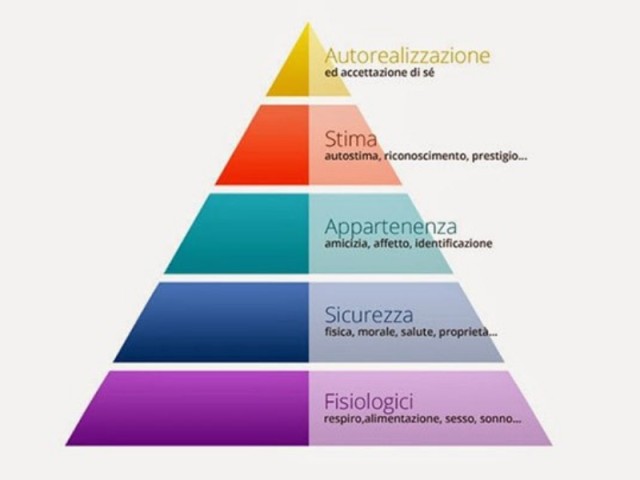
When some elements are integrated into the corporate culture, such as the care of the workplace, open communication, autonomy and the basic human needs of trust and respect, it follows that there is greater motivation within the team and better productivity.
Motivation is the force that stimulates individuals to commit themselves with passion and to go beyond themselves in completing a certain activity or project. Motivation is therefore one of the main elements that a company should consider and nurture when it wishes to face change, be more competitive, and achieve results. It is the personal involvement of employees and their passion for work that determines the strength of a group of people at the service of an organization. The better the working conditions that support collective well-being, the better the performance of the employees will be. In fact, it has been shown that excessively stressed employees are physically, mentally, and emotionally less lucid and performing, and consequently less productive than employees who work in an organization that integrates welfare plans to support the well-being of their employees in the workplace.
Employee well-being equals well-being for the company
Thanks to numerous studies showing that employee performance in the company is linked to their degree of well-being, corporate welfare has become fundamental in company growth plans. Companies that have implemented accurate and diversified welfare plans have found a substantial change in employee performance and productivity. Thanks to the diversification of incentives, employees are encouraged to give more, are motivated, and are passionate about business challenges. Personal involvement and motivation therefore guarantee the achievement of corporate goals and the improvement of performance.
Improvement of pension conditions, health incentives, baby-sitting vouchers, leisure and sports benefits are just some of the possibilities offered by corporate welfare. Adopting a holistic approach and finding solutions that support the worker’s life as a whole is fundamental in welfare plans. At the heart of these plans is the well-being of human resources and the search for a greater balance between private and working life — the so-called work-life balance.
To begin taking the first steps towards integrating corporate welfare plans to promote a culture of well-being in the workplace, companies can intervene in various areas. The first suggestion is to listen to employees to understand what elements are important to them and what motivates them. To place the worker at the center of the organization, it is necessary to understand people’s real needs — in today’s companies there is a real need to listen. Open, direct, and two-way communication fosters the creation of a relationship of trust with the company.
Today’s companies are faced with a generation that declares itself more demanding than previous ones. Employees are no longer satisfied only with economic incentives; they want to feel part of a project and an organization that understands their needs. Only in this way can satisfaction and motivation grow, guaranteeing greater commitment and personal involvement. Benefits and welfare plans support those needs that aim at greater comfort, which today seem almost indispensable for maintaining well-being in a fast-paced society. A company’s ability to meet these needs — leading to greater satisfaction in employees’ lives and a balance between work and private life — is the best way to ensure long-term loyalty and motivation.
We can conclude by saying that a corporate welfare plan is the set of goods and services that a company chooses to provide to its employees to support them in meeting their needs, improving both their well-being and their quality of life.