In a not so far future in which an upheaval in the way of working is expected, where technology and homeworking are the supporters of change, companies are called to invest in the training of their staff to meet new work needs.
These include a large investment in the development of the Soft Skills of its collaborators.
WHY SOFT SKILLS ARE SO IMPORTANT
Soft Skills are valuable because they aim to develop relational, communication and cognitive skills in order to allow employees to perform effectively both among themselves and with the company's customers.
In a rapidly changing working context, in which relationships are increasingly built through a computer screen, people need to understand how to communicate and relate effectively, even without making use of all those non-verbal signal that can be adopt in an ordinary communication.
The training on Soft Skills therefore allows companies to remain competitive in a rapidly evolving historical context and in which competition, especially for some sectors, is growing strongly. Investing in the social and emotional intelligence of one's resources is no longer a choice, but has become a necessity.
THE MOST DEMANDED SOFT SKILLS IN THE FUTURE
According to a survey conducted by LinkedIn on 5,000 professionals in the world of human resources, among the trends that will influence the world of work within companies in the coming years, Soft Skills will be decisive for 91% of respondents.
Among these, in 2019 were: creativity, persuasion, collaboration, adaptability and time management.
Strengthening the Soft Skills therefore represents one of the best investments for the career of a resource and company growth. The advent of the digital age, with the spread of automation and artificial intelligence, is only accelerating the importance of Soft Skills, since it is precisely those skills that robots cannot acquire.
The WEF, World Economic Forum, on the other hand, has indicated the 10 most requested Soft Skills starting from 2020:
- Problem solving skills;
- Critical thinking (ability to interpret and evaluate the importance of information);
- Creativity;
- People management (ability to manage a team, motivating its members);
- Ability to work in a team;
- Emotional intelligence (empathic ability to recognize, understand and interpret the emotions of others);
- Decision making (ability to decide independently after listening to everyone);
- Service orientation (ability to be helpful, caring, attentive and collaborative);
- Negotiation (to create economic and relational well-being);
- Cognitive flexibility (ability to implement different behaviors based on changing contexts and problems).
SOFT SKILLS TRAININGS OFFERED BY QUANTASIA SA
The corporate training market is full of courses structured in various ways: some more practical, others more didactic, some that are divided into several days and others are offered online.
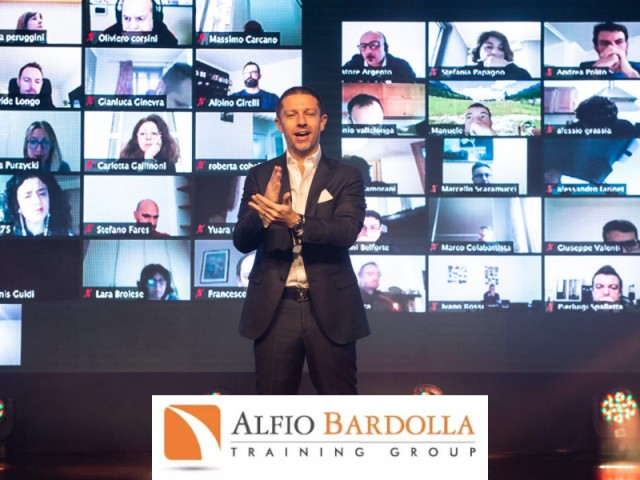
Company personal development training can be effective even if delivered in a virtual environment. Quantasia SA, for example, has developed an innovative way of doing the classroom through digital media, which allow for concrete results in the acquisition of transversal skills of resources.
Quantasia SA aims to support managers and employees in developing a greater personal awareness, of their own communication and the degree to which winning relationships are built. Emotional, social and relational intelligence are the core of the trainings offered that allow you to refine common sense, improve negotiation and collaboration.
Quantasia SA trainings aim to improve the personality and well-being of the resources, have a strong impact on the cohesion of the work teams and on the ability to work as a team.
To find out what our clients think of us, read the references of the companies that have worked with us.
Quantasia SA for training on the development of Soft Skills in Lugano in Ticino and online!