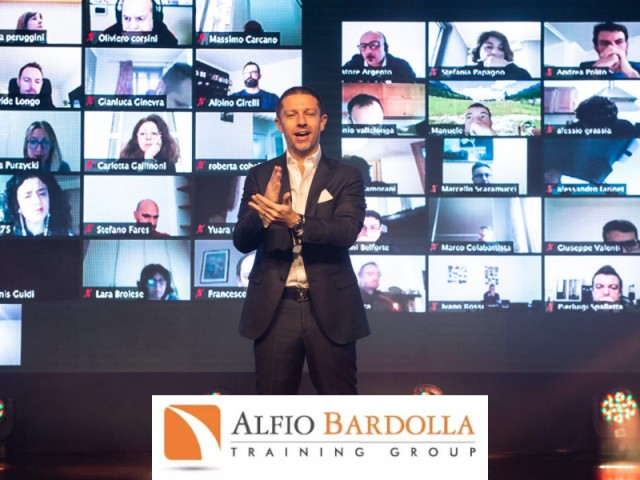
The main drivers of companies to remain competitive today are training and coaching.
In a context marked by crisis, generational change, technological influence and loss of human and social values, it is essential for organizations to keep their employees up-to-date, investing in the development of their skills and mental flexibility.
Training and coaching allow companies to motivate employees and create the conditions to foster the integration of hard skills related to the know-how, and soft skills, related to the interaction with others based on a good self-knowledge.
The training process is addressed both to the managerial team and to the employees and favors:
Moreover, a company that invests in the training of its employees indirectly affirms its high social values, such as "professional growth", "progress", "well-being", "understanding" and the “sense of belonging".
When a company invests in an interpersonal way, planning individual training sessions and coaching meetings, it can count on greater involvement and motivation from the employees and on improving performance and results, generating a competitive advantage.
To achieve concrete results, companies must rely on professionals and must choose carefully their training consultants. Here are the five golden rules for choosing the trainer or the business coach:
To conclude, a further valuable advice: remember that a good coach or a good trainer is the one who becomes progressively useless!
Fondatrice di Quantasia SA, Claudia è un punto di riferimento nella creazione di strategie che integrano lo sviluppo del capitale umano con quello organizzativo. Con una carriera che spazia dal CEO di aziende internazionali alla consulenza strategica per board aziendali, ha maturato una profonda conoscenza delle dinamiche di leadership e gestione del cambiamento.
Successi in business coaching e sviluppo organizzativo.
Coaching is a collaborative and goal-oriented process designed to support personal and professional growth. The Coach acts as a facilitator, helping clients develop clarity, awareness, and effective decision-making skills through observation, dialogue, and accountability.
Coaching focuses on the present and future rather than exploring the client’s past in search of the causes of a problem. The Coach does not diagnose, interpret, or make clinical assumptions.
A Coach is not a therapist, physician, or psychologist. If you are experiencing symptoms, emotional distress, or medical conditions, you are encouraged to consult a qualified healthcare professional or mental health specialist.


Any information provided on this website, including references to health, wellness, or scientific topics, is intended solely for educational and informational purposes. It is not intended to diagnose, treat, cure, or prevent any medical or psychological condition, nor should it be considered a substitute for professional medical or psychological advice, diagnosis, or treatment.
No content on this website should be interpreted as medical, psychological, or therapeutic guidance. Certain terms may occasionally be used in a general or conventional sense and do not imply medical, clinical, or psychological qualifications.

Coaching services are not reimbursable through health insurance. Clients are informed of the distinctions between coaching and psychological or therapeutic support before beginning a coaching relationship.
Coaching is not reimbursable by health insurance. Clients are informed of the differences between a Coach and a psychologist.